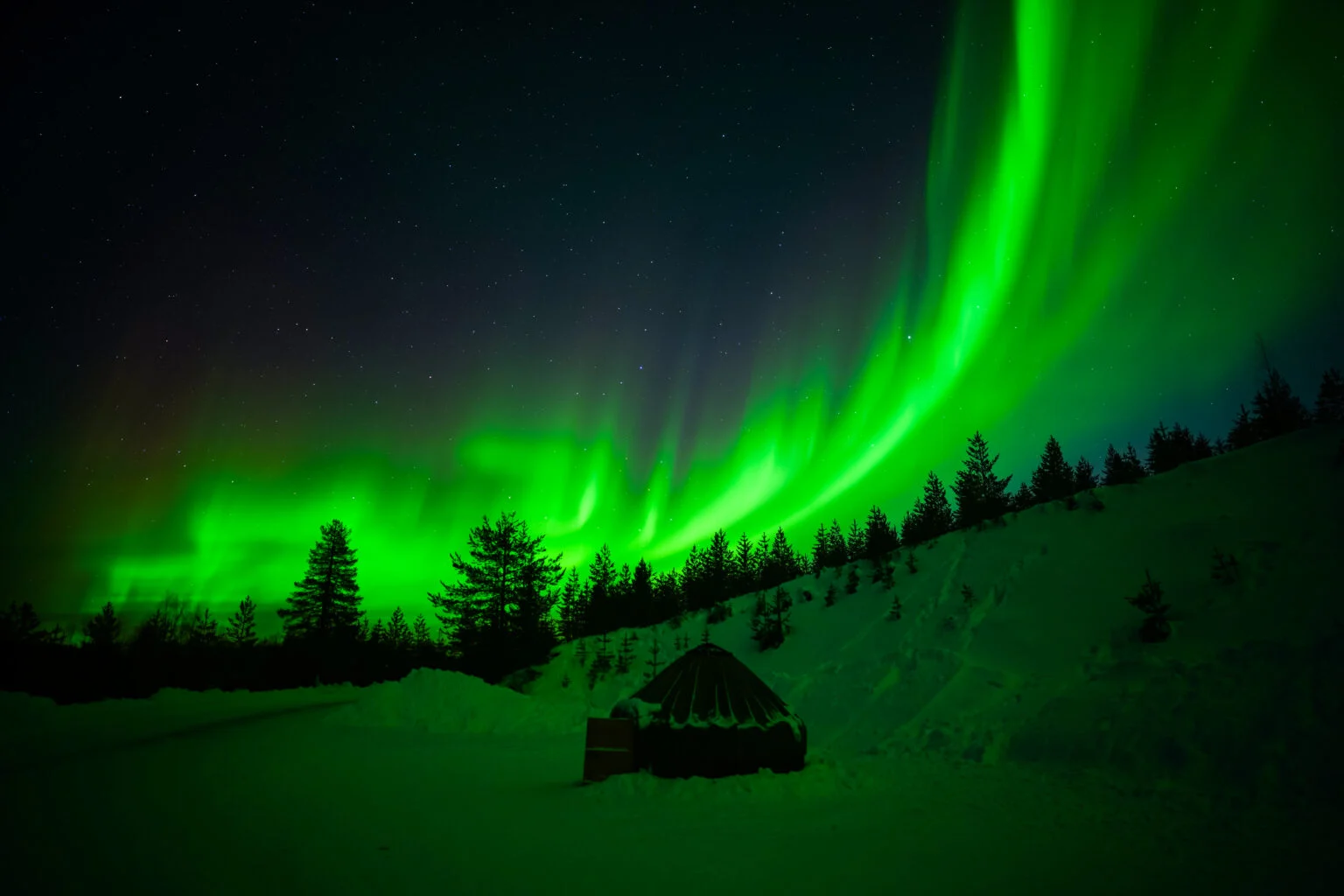
The best time to see the Northern Lights in Rovaniemi is not a single perfect week you can book and tick off. You need darkness, a sufficiently clear view of the sky and auroral activity. Those conditions vary from night to night, so the useful question is how to give yourself several opportunities during a trip rather than how to choose a guaranteed date.
This guide sets out how the seasons change the available darkness, how to plan an evening and why both weather and auroral activity matter. Wild About Lapland has operated guided Arctic tours from Rovaniemi since 2016. For locations, forecasts and clothing, read our complete Northern Lights in Rovaniemi guide.
Aurora season and darkness
Autumn, winter and early spring provide dark nights for aurora viewing around Rovaniemi. September to March is a useful planning range, but it is not an operating guarantee or a promise of a sighting. Near the ends of the dark season, check the actual hours of darkness; summer’s bright nights make faint aurora difficult to see.
Auroral activity is not limited to winter, but you need a dark enough sky to observe it. Longer winter nights offer more possible observing time; toward summer, increasing daylight narrows that window. A dark night still needs auroral activity and a clear enough view.
Rovaniemi is near the Arctic Circle, but the auroral oval is not fixed directly over the city: its position and extent change with geomagnetic activity. Use the Finnish Meteorological Institute’s Northern Lights information and NOAA Space Weather Prediction Center forecasts alongside local cloud conditions and observations. No single index guarantees that aurora will be visible from your location.
Month by month
There is no single best month for everyone. Midwinter offers longer hours of darkness, while late winter gives more daylight for daytime activities. Cloud cover, auroral activity and the conditions on the night still matter whichever month you choose. Use the table as a planning comparison, not a ranking of monthly sighting probabilities.
| Month | Darkness / viewing window | Daytime planning | Booking considerations | Viewing considerations |
|---|---|---|---|---|
| September — Ruska | Dark evenings return; check actual darkness | Autumn colour and open water; check activity dates | Check the selected programme’s availability | A dark, clear view and auroral activity must coincide |
| October | Nights become longer | Autumn conditions; snow is not assured | Check which seasonal activities are operating | Weather and activity vary from night to night |
| November | Longer hours of darkness | Snow-based programmes depend on conditions | Confirm snow-dependent departures | Darkness provides opportunity, not a sighting guarantee |
| December | Short days and long dark windows | Winter and Christmas-season activities | Book the dates and programme you need | Long nights still need cloud-free views and activity |
| January | Long dark nights | Plan clothing and activities for the forecast | Check exact departures and inclusions | Conditions vary; no fixed monthly sighting odds |
| February | Dark nights with increasing daylight | More daylight for winter activities | Check current snow and route conditions | Use actual forecasts and observations |
| March | Night-time darkness shortens as days lengthen | Longer daylight for daytime plans | Confirm late-season operating dates | Check darkness, cloud and activity together |
September — Ruska
- Darkness / viewing window
- Dark evenings return; check actual darkness
- Daytime planning
- Autumn colour and open water; check activity dates
- Booking considerations
- Check the selected programme’s availability
- Viewing considerations
- A dark, clear view and auroral activity must coincide
October
- Darkness / viewing window
- Nights become longer
- Daytime planning
- Autumn conditions; snow is not assured
- Booking considerations
- Check which seasonal activities are operating
- Viewing considerations
- Weather and activity vary from night to night
November
- Darkness / viewing window
- Longer hours of darkness
- Daytime planning
- Snow-based programmes depend on conditions
- Booking considerations
- Confirm snow-dependent departures
- Viewing considerations
- Darkness provides opportunity, not a sighting guarantee
December
- Darkness / viewing window
- Short days and long dark windows
- Daytime planning
- Winter and Christmas-season activities
- Booking considerations
- Book the dates and programme you need
- Viewing considerations
- Long nights still need cloud-free views and activity
January
- Darkness / viewing window
- Long dark nights
- Daytime planning
- Plan clothing and activities for the forecast
- Booking considerations
- Check exact departures and inclusions
- Viewing considerations
- Conditions vary; no fixed monthly sighting odds
February
- Darkness / viewing window
- Dark nights with increasing daylight
- Daytime planning
- More daylight for winter activities
- Booking considerations
- Check current snow and route conditions
- Viewing considerations
- Use actual forecasts and observations
March
- Darkness / viewing window
- Night-time darkness shortens as days lengthen
- Daytime planning
- Longer daylight for daytime plans
- Booking considerations
- Confirm late-season operating dates
- Viewing considerations
- Check darkness, cloud and activity together
September can combine autumn colour and open water with returning dark evenings. December and January offer short days and long nights, but a long dark window does not guarantee clear weather or an aurora display. Dress for the actual forecast and time outdoors.
February and March combine night-time darkness with increasing daylight for winter activities. Conditions still vary: do not choose them on the assumption of settled clear weather or a guaranteed stronger display. Aurora forecasts, local observations and the cloud forecast help you assess the actual evening.
Time of night & weather
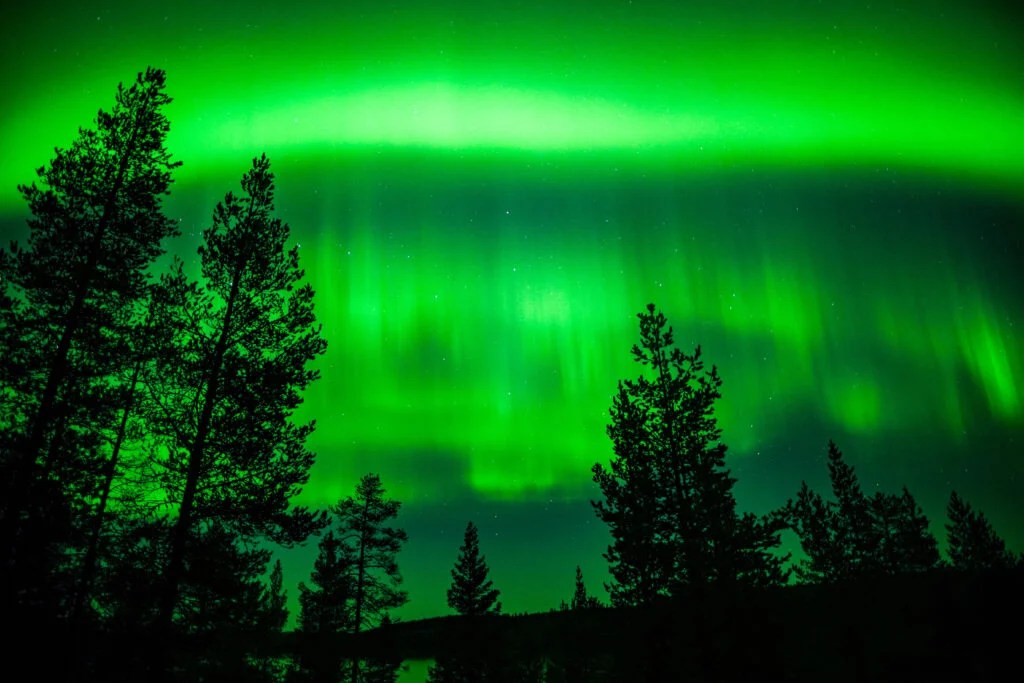
After choosing your travel dates, check when it will be dark enough and compare the selected tour’s evening departure and duration. Aurora can appear and fade during the night, but it follows no guaranteed schedule. Plan warm clothing and a realistic amount of time outdoors rather than relying on a fixed viewing hour.
Cloud can hide an aurora, but clear sky alone does not produce one. Darkness, a clear enough view and auroral activity all matter. A high activity forecast is not useful if the view is covered by thick cloud, and a cloud-free night can still be quiet.
Cloud forecasts may help a mobile tour choose between available viewing locations, within its route and operating conditions. Read the forecast together with aurora information and current observations; a low or high KP number by itself is not a local visibility guarantee. If you are comparing the wider trip, our best time to visit Lapland guide looks at the seasons.
Combining with activities
One of the quiet advantages of Rovaniemi is that you do not have to spend a whole trip waiting for nightfall. Plan daytime activities around your selected aurora tour’s departure and duration, leaving time for travel, meals and rest. Rovaniemi has a full winter menu to compare alongside an evening outing. The month pays off twice here: the deeper into winter you go, the more snow-based activities are running, while the bright late-winter days of February and March give the most comfortable daylight for them.
A few of the ways guests build a trip around the lights:
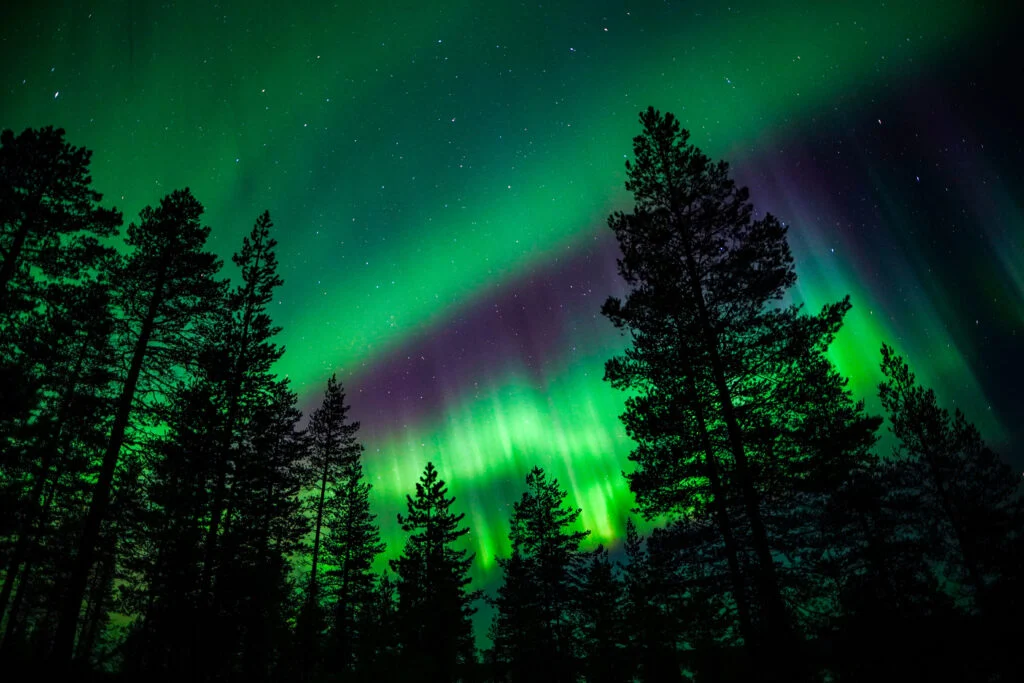
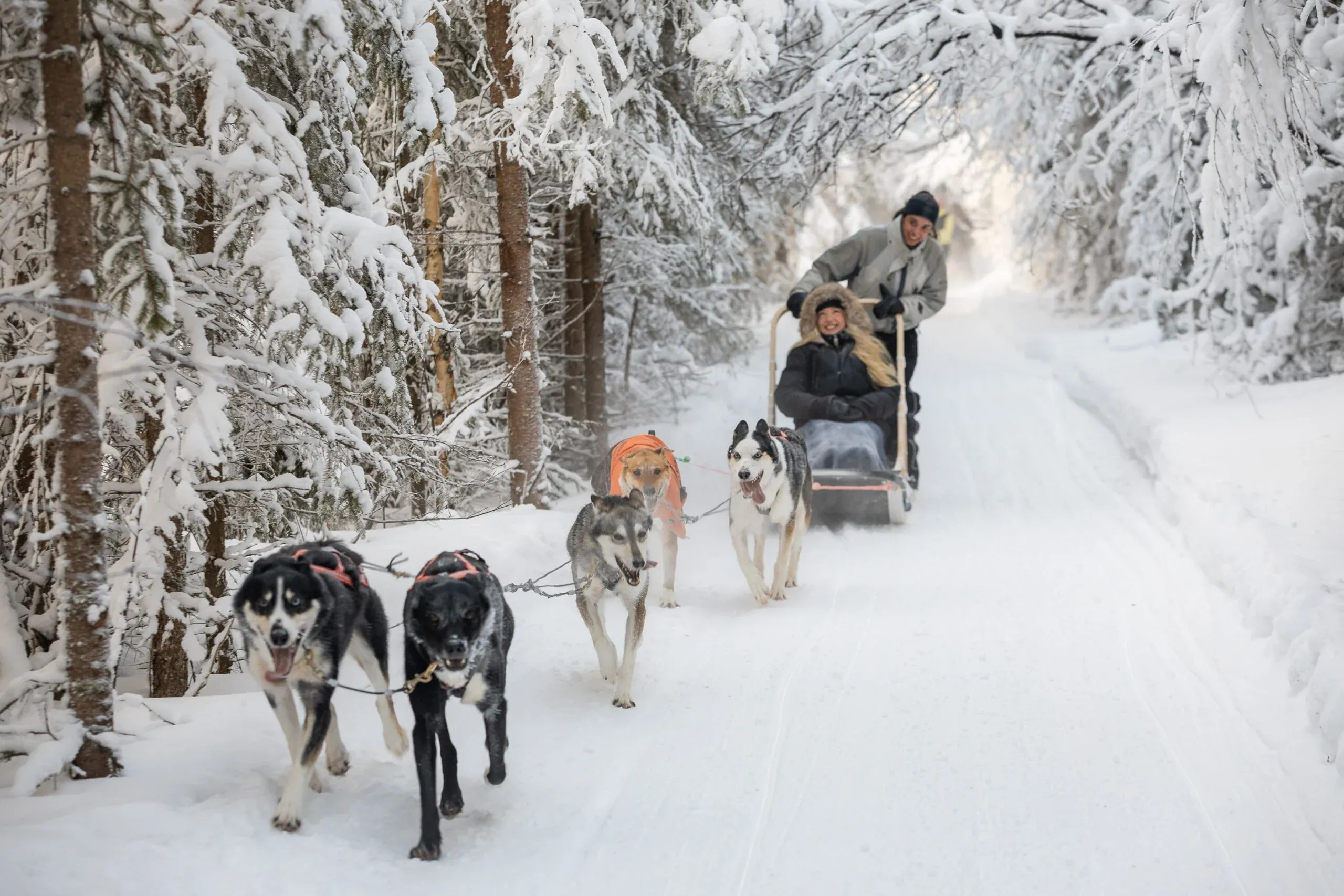
- Husky safari by day, aurora by night. A morning or midday husky tour through the Taiga forest leaves your evening clear for the lights.
- Reindeer farm visits. Gentler and slower, a reindeer experience suits families and shorter days, and sits easily alongside an evening aurora tour.
- Snowmobile adventures. A daytime safari across frozen lakes and forest, then back out after dark for the lights — two ways to feel the same landscape.
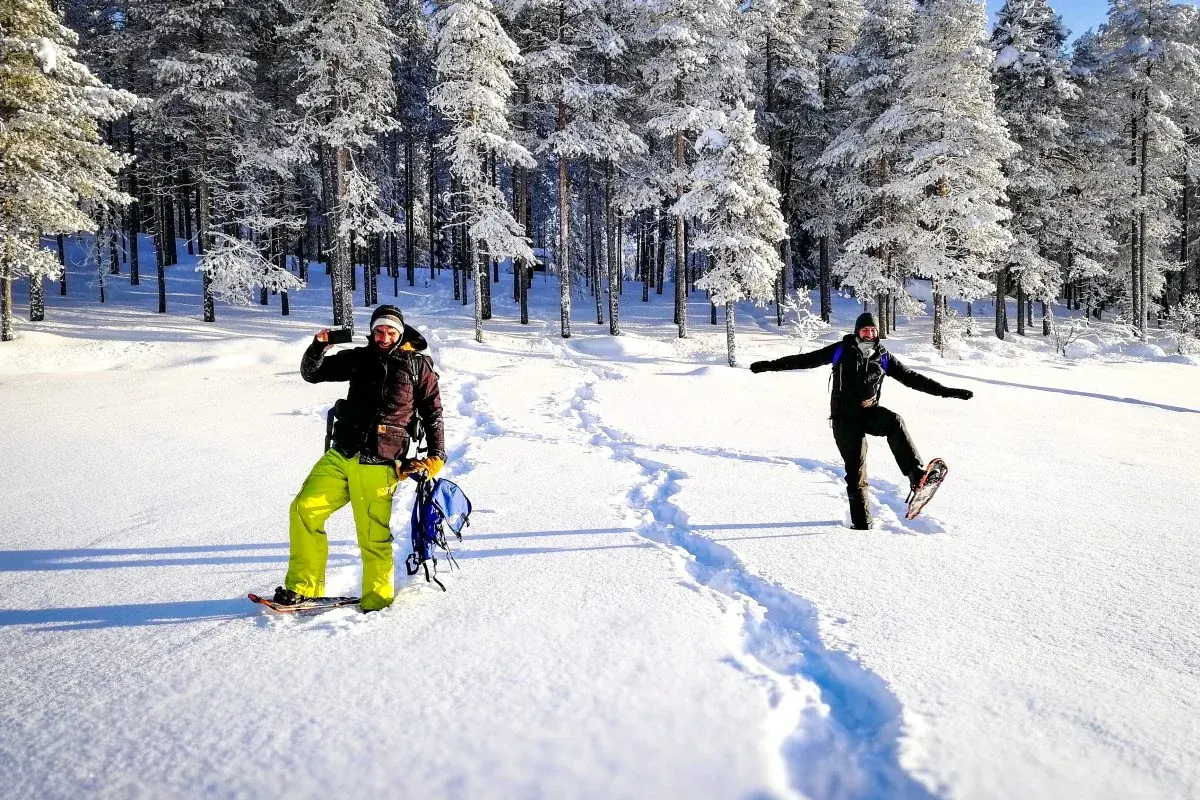
- Snowshoeing and ice fishing. These offer different ways to spend a winter day, but snowshoeing can require endurance and is tiring in deep snow. Check the selected tour’s age and fitness requirements and leave enough time to rest before an evening outing.
Some aurora outings combine the evening with snowshoeing, snowmobiling or a reindeer safari. Check each programme’s activities, age requirements and group arrangements. Our things to do in Rovaniemi in winter guide helps you compare daytime and evening options.
The Guaranteed Northern Lights Hunting Adventure in Lapland and the Guaranteed Northern Lights Wilderness Tour with Professional Camera are examples of products with specific refund terms. Their current terms provide a full refund if Wild About Lapland cancels the tour or if the Northern Lights are not captured on camera during it. Read the exact product’s current conditions before booking; these terms do not establish the terms of a private tour or guarantee natural conditions on a chosen date.
Frequently asked questions
What is the best time to see the Northern Lights in Rovaniemi?
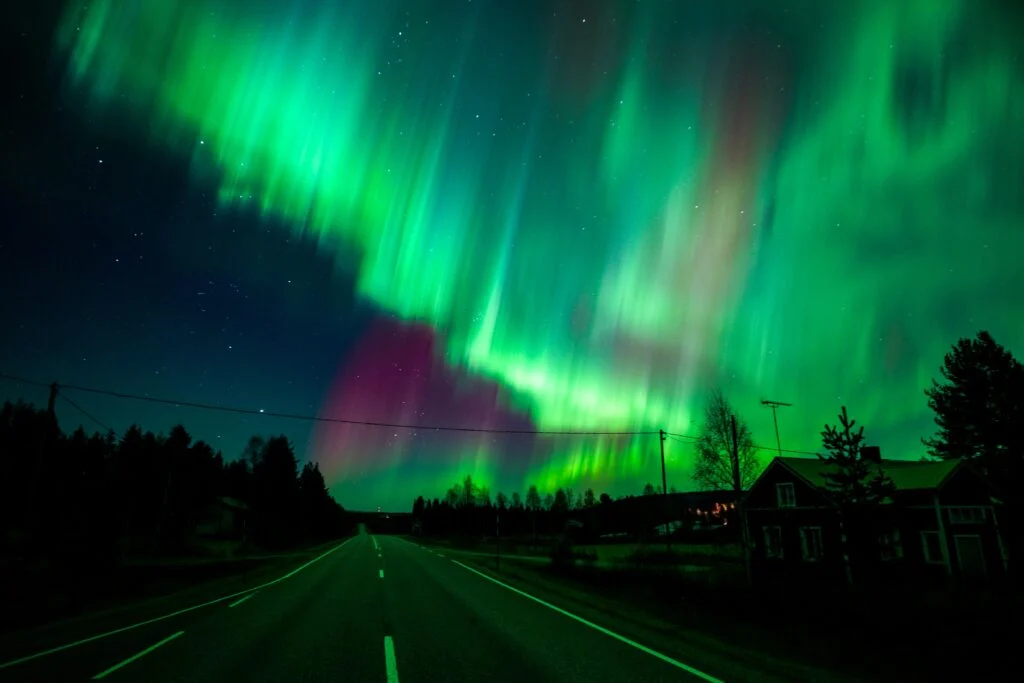
Choose a period with dark nights, then assess the actual weather and auroral activity. Autumn, winter and early spring offer viewing opportunities around Rovaniemi, but no month or clear night guarantees a display.
What is the best month for aurora in Rovaniemi?
Choose the month that suits your whole trip. Midwinter gives longer hours of darkness; late winter brings more daylight for activities. The actual evening’s cloud and auroral activity matter more than an unsupported monthly odds ranking.
When does the Northern Lights season in Finland start and end?
Around Rovaniemi, darker autumn, winter and early-spring nights are the practical viewing period. The usable window changes with the hours of darkness rather than starting and ending on a guaranteed calendar date. Bright summer nights make faint displays difficult to observe.
What time of night is best for the aurora in Rovaniemi?
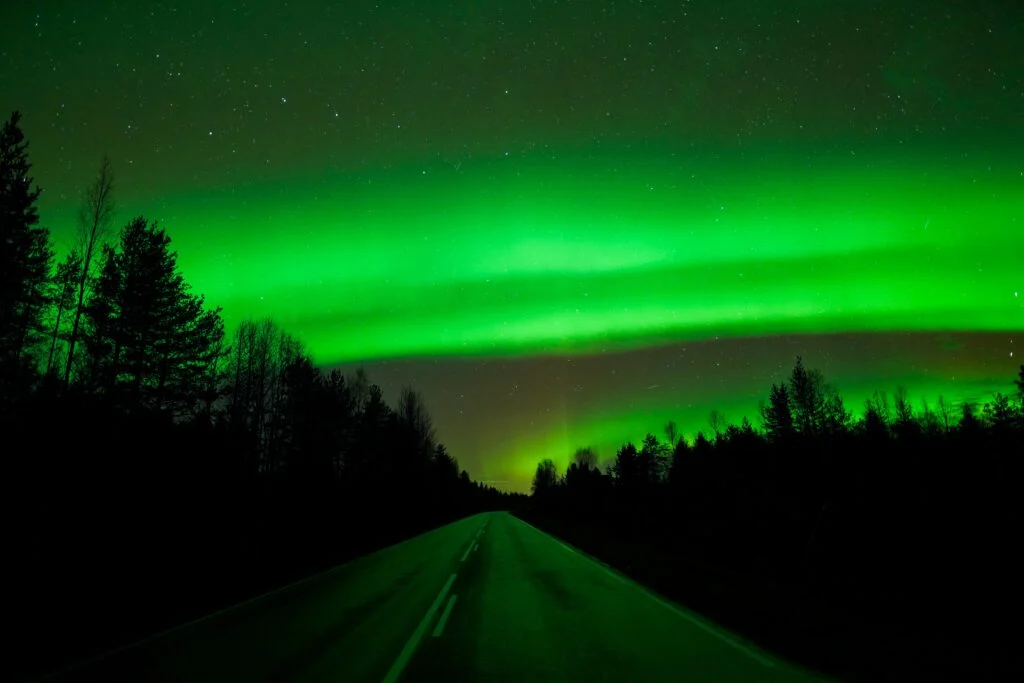
The lights follow no fixed schedule. Check the actual hours of darkness, aurora information and cloud forecast, and use your selected tour’s scheduled departure and duration when planning. Dress for waiting outdoors; a quiet period does not establish what the rest of the night will bring.
Can you see the Northern Lights in Rovaniemi in December?
December offers long hours of darkness, so an aurora display may be visible if activity and a clear enough sky coincide. Check the weather and dress for the forecast. Neither December nor a long night guarantees a sighting.
Does a full moon affect seeing the Northern Lights?
A full moon changes the view, not the aurora itself. A bright moon lifts the snowy landscape for photographs but can wash out a faint display; a darker moon phase favours subtle detail. It is a smaller factor than cloud cover, but worth checking when you plan which nights to be out.
How many nights should I plan for the best chance of seeing the aurora?
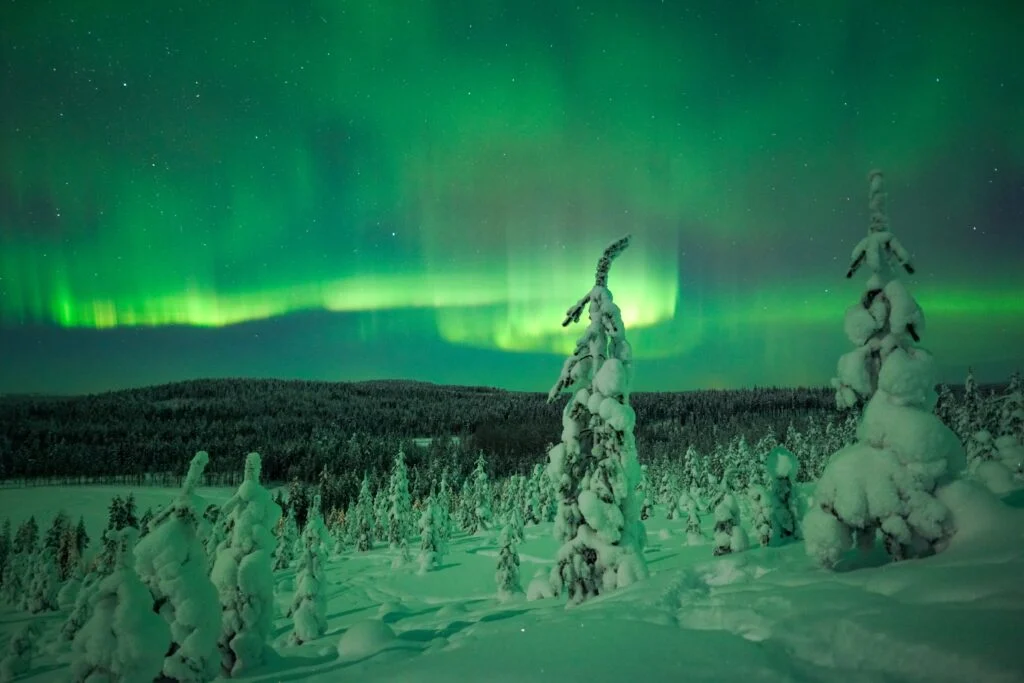
If your travel plans permit, allow several possible evenings rather than depending on one date. That gives you more opportunities to encounter suitable conditions, but it is not a guarantee of a sighting.
Is the KP index or the weather more important for timing?
Use both. KP summarizes geomagnetic activity; local cloud and darkness determine whether you have a view of the sky, and auroral activity at your location still varies. Check forecasts and observations together rather than treating one number or a clear forecast as decisive.
Written by the Wild About Lapland team in Rovaniemi. Wild About Lapland has operated guided Arctic tours from Rovaniemi since 2016.
Sources & further reading: Finnish Meteorological Institute — Auroras & Space Weather · Visit Finland — best times to see the Northern Lights · NOAA Space Weather Prediction Center
- Email[email protected]
- Call+358 40 758 3316
- VisitRovakatu 24, 96200 Rovaniemi